

 309 Northcreek Blvd. Goodlettsville, TN 37072
Restorative Dentistry
Strengthen weakened teeth and restore your bite with precision-crafted crowns designed to look, feel, and function like your natural smile.
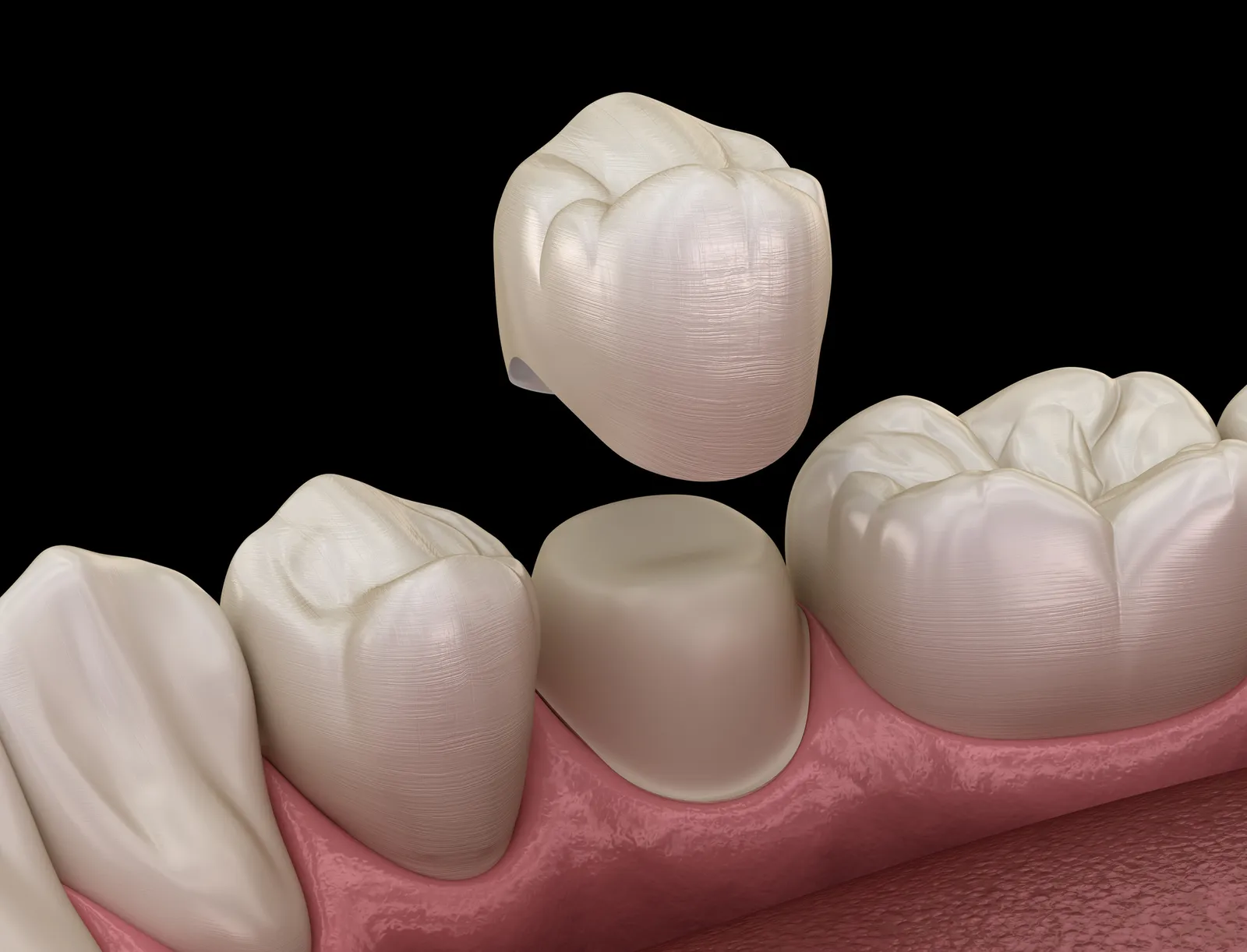
A tooth weakened by decay, a deep crack, or an old filling that's run its course doesn't have to mean losing the tooth altogether. A dental crown is a custom-made cap that fits over the entire visible portion of a damaged tooth, rebuilding its shape, strength, and chewing surface while sealing it off from further bacteria and fracture. At Stonebridge Family Dental, crowns are one of the most common ways we help patients hold onto teeth that would otherwise continue to break down.
When a tooth is compromised, the effects show up in everyday life faster than most people expect. Chewing on one side to avoid pain, sensitivity to hot and cold, a visible chip that makes you hesitant to smile in photos, or a nagging worry that the tooth could crack further at any moment - these are the quiet frustrations that bring patients into our office. Left unaddressed, a damaged tooth tends to get worse, not better, and the treatment options narrow over time.
Our approach starts with understanding exactly why the tooth needs reinforcement in the first place. We take detailed digital X-rays, evaluate your bite, and talk through your symptoms before recommending a crown. We'll walk you through material options, what to expect at each visit, and how the restoration will hold up over years of normal use, so you're making an informed decision rather than just following orders.
Not every damaged tooth needs a crown, but certain warning signs tell us a tooth is past the point where a simple filling will hold up. These symptoms vary from person to person depending on the cause and severity of the damage, which is why a hands-on exam matters more than guesswork.
If any of these sound familiar, it's worth having the tooth examined sooner rather than later. A tooth that still has enough healthy structure for a crown today may require extraction if the damage is allowed to progress further.
Teeth rarely break down for just one reason. Most crowns we place address a combination of factors that have built up over years, sometimes without the patient noticing until the tooth finally gives way.
Cavities that reach deep into the tooth structure remove so much material that a standard filling can no longer hold its shape under normal biting pressure.
Years of chewing stress, biting on hard foods, or an old injury can create fine cracks that worsen gradually, causing pain that comes and goes unpredictably.
Repeated grinding wears down enamel faster than it can naturally withstand, flattening biting surfaces and exposing softer dentin underneath.
Teeth lose a degree of structural flexibility once the nerve is removed, making them more prone to fracture without the added protection of a full crown.
Metal or composite fillings placed decades ago often expand, contract, or crack over time, leaving gaps where bacteria can sneak in and restart decay underneath.
When a tooth is replaced with an implant, a crown is the final piece attached on top, recreating a natural biting surface anchored directly to the jawbone.
Every crown we place follows a careful sequence designed to protect the tooth, match your bite, and blend in with your existing smile. Here's what the process looks like from start to finish.
We start by listening to your symptoms and reviewing your dental history, then take digital X-rays to see what's happening beneath the surface of the tooth in question.
We check the tooth's bite alignment, gum health, and the extent of decay or fracture to confirm a crown is genuinely the right treatment rather than a smaller or larger alternative.
We gently reshape the tooth to make room for the crown, capture precise impressions or digital scans, and fit you with a temporary crown to protect the tooth while your permanent restoration is crafted.
Your crown is milled or cast by a dental lab to match the shade, shape, and contour of your surrounding teeth, using porcelain, zirconia, or another material suited to the tooth's location and function.
We check the fit and bite carefully before bonding the crown permanently, then follow up to confirm the tooth feels natural and the restoration is holding up exactly as planned.
A well-made crown does far more than cover up a problem. It restores the tooth's role in your bite and gives you back confidence you may not have realized you were missing.
A crown redistributes bite force evenly, so you can chew on that side of your mouth again without worrying about a crack worsening or a cusp breaking off.
Modern crown materials are shaded and shaped to blend with your neighboring teeth, so the restoration looks like it belongs rather than standing out.
By sealing the tooth completely, a crown keeps bacteria and chewing pressure from reaching the vulnerable inner structure, often preventing the need for extraction later.
Covering exposed dentin or a cracked surface typically eliminates the sharp twinge that comes from hot, cold, or sweet foods touching the tooth.
Not all crowns are built the same way, and the material we recommend depends heavily on where the tooth sits in your mouth and how much force it takes on during chewing. Molars at the back absorb far more pressure than front teeth, so a dense material like zirconia is often preferred there for its resistance to chipping and fracture over years of use.
Front teeth, on the other hand, are more visible and benefit from porcelain's ability to mimic the translucency of natural enamel. We weigh strength against appearance for every tooth individually, rather than applying a one-size-fits-all material across your whole mouth.
Fit matters just as much as material. A crown that sits even slightly high on the bite can create new pressure points that lead to jaw soreness or a cracked opposing tooth down the road. That's why we check your bite carefully at every adjustment before the crown is permanently bonded in place.
A dental crown is durable, but a few daily habits go a long way toward helping it last as many years as possible.
The edge where the crown meets your gum line still needs daily cleaning to prevent decay from forming beneath it.
Ice, pens, and hard candy can chip porcelain or loosen a crown's bond over time, even on a well-fitted restoration.
A custom nightguard absorbs clenching forces that would otherwise wear down or crack even a strong crown over the years.
Regular checkups let us catch any shifting or wear around the crown early, before it becomes a bigger repair.
A crown that feels loose or shifts slightly should be looked at quickly to prevent bacteria from getting underneath.
New jaw soreness after a crown is placed can signal a bite adjustment is needed, which is a quick fix when caught promptly.
These habits help protect your investment, but they're a complement to professional care, not a substitute for it. Any ongoing discomfort around a crown deserves a proper evaluation rather than a wait-and-see approach.
"Patients come to us anxious about losing a tooth, and walk out with a restoration that lets them forget it was ever damaged. That's the outcome we aim for with every crown we place."
Answers to the questions we hear most often from patients considering a dental crown.
BOOK YOUR VISIT
Join the TN 37072 families who trust Stonebridge Family Dental. New patients and emergencies are always welcome.