Stonebridge Family Dental
Location 309 Northcreek Blvd. Goodlettsville, TN 37072
618-889-7825

Orthodontic Care

Invisalign Clear Aligners

Straighten your teeth discreetly with custom-fitted clear aligners designed around your daily life, your schedule, and your smile goals.

Invisalign Clear Aligners
Clear Aligner Therapy

Invisalign: A Straighter Smile Without Metal Brackets

Crooked, crowded, or gapped teeth affect more than appearance. Misaligned bites can make it harder to clean between teeth thoroughly, place uneven pressure on your jaw joints, and wear down enamel faster than a properly aligned smile would. Over time, these small structural issues tend to compound, leading to gum irritation, chipped edges, and chronic jaw discomfort that many patients assume is unrelated to their bite.

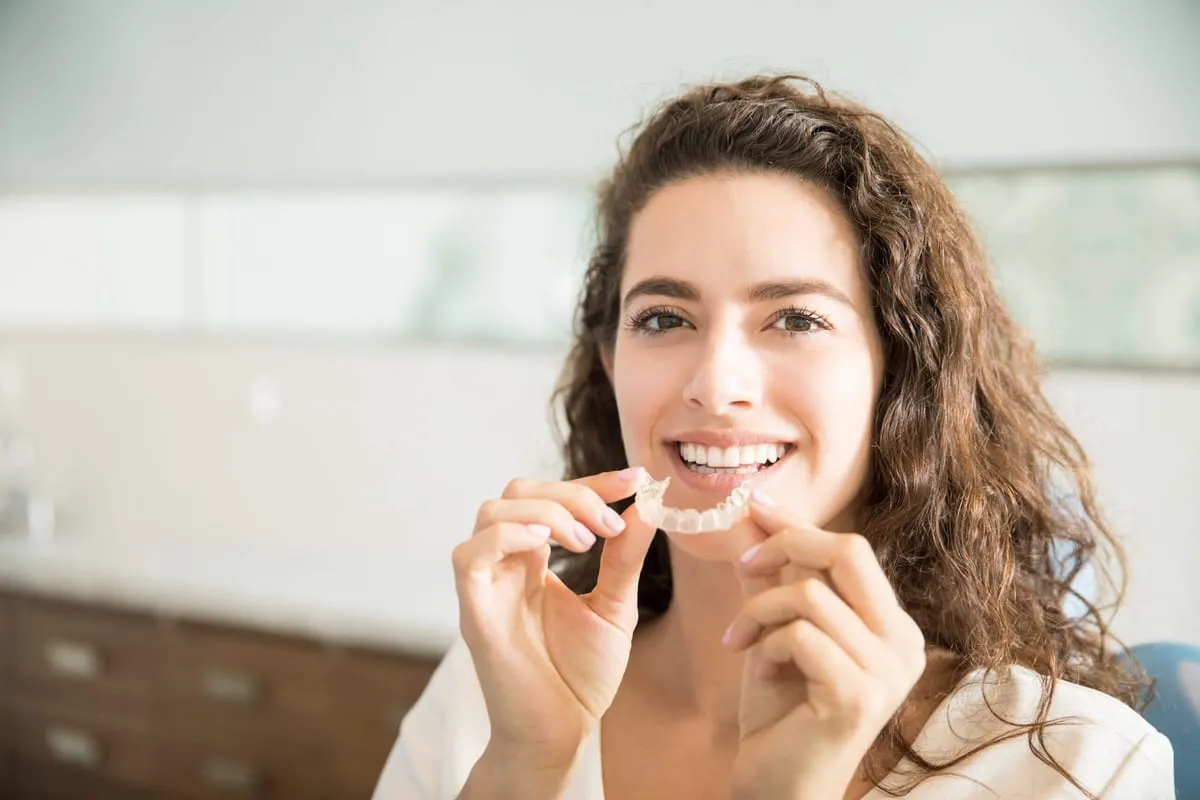
Invisalign uses a series of custom-made, virtually invisible aligners to gradually shift your teeth into their correct position, without the brackets, wires, and food restrictions associated with traditional braces. Each aligner in the series applies gentle, calculated pressure to specific teeth, moving them incrementally until your full smile reaches the position mapped out in your digital treatment plan.

At Stonebridge Family Dental, we start every Invisalign case with a thorough clinical evaluation of your bite, jaw function, and oral health before any aligner is ever designed. We believe a straighter smile should also be a healthier one, so we address any underlying decay or gum concerns first, then build a treatment plan tailored to how your teeth actually need to move.

Schedule a Consultation

Signs Invisalign May Be Right for You

Orthodontic concerns show up differently from one patient to the next. Some signs are obvious in the mirror, while others only surface as discomfort, uneven wear, or difficulty keeping certain areas clean. If any of the following sound familiar, it is worth having your bite evaluated.

  • Visible crowding: Teeth that overlap or twist, especially along the lower front, often trap plaque in spots a toothbrush cannot fully reach.
  • Noticeable gaps: Spaces between teeth can widen over time and allow food to pack in, increasing your risk of gum irritation near those areas.
  • Uneven bite pressure: Feeling like certain teeth touch first when you bite down can signal a misalignment that stresses your jaw joint.
  • Difficulty flossing certain teeth: Tight or rotated teeth frequently make flossing uncomfortable or inconsistent, raising cavity risk between them.
  • Self-consciousness when smiling: Many adults quietly avoid smiling fully in photos or at work because of how their teeth are positioned.
  • Mild jaw fatigue or clicking: An uneven bite can place extra strain on the jaw joint, contributing to soreness or popping sounds when chewing.
  • Relapse after old orthodontics: Teeth that have shifted back after braces years ago can often be corrected again with a shorter aligner treatment.
  • Uneven wear on tooth edges: Flattened or chipped edges on certain teeth usually mean they are absorbing more bite force than they should.
  • Speech that feels slightly affected: Some patients notice a lisp or altered airflow around teeth that sit out of alignment.
  • A desire for discretion: Adults in client-facing careers frequently prefer Invisalign specifically because the aligners are nearly invisible during daily interactions.

Even mild misalignment tends to worsen gradually if left unaddressed, so a professional evaluation early on gives you more treatment options and typically a shorter path to a corrected bite.

What Causes Teeth to Shift Out of Alignment

Misalignment rarely has one single cause. More often, several factors build on each other over years, gradually pushing teeth out of their ideal position.

Genetics and Jaw Size

Jaw size and tooth size are largely inherited, and a mismatch between the two is one of the most common reasons teeth come in crowded or spaced from childhood on.

Childhood Habits

Thumb sucking, prolonged pacifier use, or mouth breathing during developmental years can quietly reshape how teeth and the jaw grow together.

Early Tooth Loss

When a baby tooth or adult tooth is lost too early, neighboring teeth gradually drift into the open space, throwing off the spacing of the whole arch.

Grinding and Clenching

Nighttime grinding places repeated force on teeth, and over years that pressure can gradually shift position, especially in an already crowded bite.

Natural Aging Shift

Even in adults who had straight teeth as teenagers, lower front teeth often drift slightly inward with age as supporting tissues change.

Incomplete Prior Orthodontics

Teeth straightened years ago without a permanent retainer routine tend to relapse gradually, often requiring a shorter round of correction later.

From First Exam to Lasting Results

Every Invisalign case at Stonebridge Family Dental follows a structured, individualized process. We never rush a treatment plan, and we check in regularly to make sure your teeth are tracking exactly as expected.

1

Initial Consultation & Discussion

We talk through your goals, review your dental history, and take a close look at your bite to determine whether Invisalign is a good fit for your situation.

2

Comprehensive Clinical Evaluation

Digital scans, X-rays, and photographs capture the exact positioning of every tooth, giving us the detailed data needed to plan safe, precise movement.

3

Customized Treatment Plan

Using your scans, we map out a projected sequence of tooth movement and show you a simulation of how your smile is expected to change over the course of treatment.

4

Gentle Care Delivery

You receive a series of custom aligners to wear at home, switching to the next set roughly every one to two weeks as your teeth gradually move into place.

5

Ongoing Support & Follow-Up

We schedule brief check-ins throughout treatment to confirm your teeth are tracking as planned, and we fit you for a retainer once your final position is reached.

What a Straighter, Healthier Bite Looks Like

Invisalign does more than close gaps or straighten crowded teeth for appearance's sake. Correcting alignment improves how your bite actually functions, which carries benefits well beyond the mirror.

Easier, More Effective Cleaning

Straighter teeth allow your toothbrush and floss to reach every surface, which lowers plaque buildup and reduces your long-term risk of cavities and gum disease.

Reduced Jaw Strain

An even bite distributes chewing force properly across all your teeth, easing tension on the jaw joint and reducing episodes of soreness or clicking.

Slower Enamel Wear

Teeth that meet evenly wear down more slowly and evenly, helping protect your enamel from the uneven chipping and flattening that misalignment can cause.

Discreet, Comfortable Treatment

Clear aligners are removable for eating and cleaning, and they are far less noticeable day to day than traditional metal brackets and wires.

Because the aligners move teeth gradually and precisely, most patients find the entire process far more comfortable and far less disruptive to daily life than they expected.

Why Wear Time and Consistency Matter So Much

Invisalign works through small, controlled doses of pressure applied consistently over time. Each aligner in your series is engineered to move specific teeth by a fraction of a millimeter, and that gentle pressure only produces results if the aligner stays on your teeth for roughly 20 to 22 hours a day. When aligners are worn inconsistently, the pressure resets and teeth do not progress on schedule.

This is one of the biggest differences between Invisalign and fixed braces. Braces apply continuous force regardless of patient behavior, while aligner therapy depends on discipline and routine. We spend time at your first fitting explaining exactly how to build aligner wear into your daily schedule, so compliance becomes second nature rather than a source of stress.

Skipping aligners for extended periods, whether from forgetting them at work or leaving them out too long during meals, can extend your overall treatment timeline or require us to rescan and adjust your plan. Staying consistent is the single most important factor in finishing treatment on schedule.

Habits That Support Your Aligner Treatment

A few consistent daily habits make a real difference in how smoothly your Invisalign treatment progresses and how your teeth feel along the way.

Remove Aligners to Eat

Always take your aligners out before meals and snacks to prevent warping or staining and to avoid trapping food particles against your teeth.

Brush Before Reinserting

Brush and rinse after eating before placing your aligners back in, so food debris and bacteria are not sealed against your enamel for hours at a time.

Clean Aligners Daily

Rinse your aligners every morning and night with lukewarm water and a soft brush to prevent buildup, odor, and visible cloudiness.

Keep a Case Handy

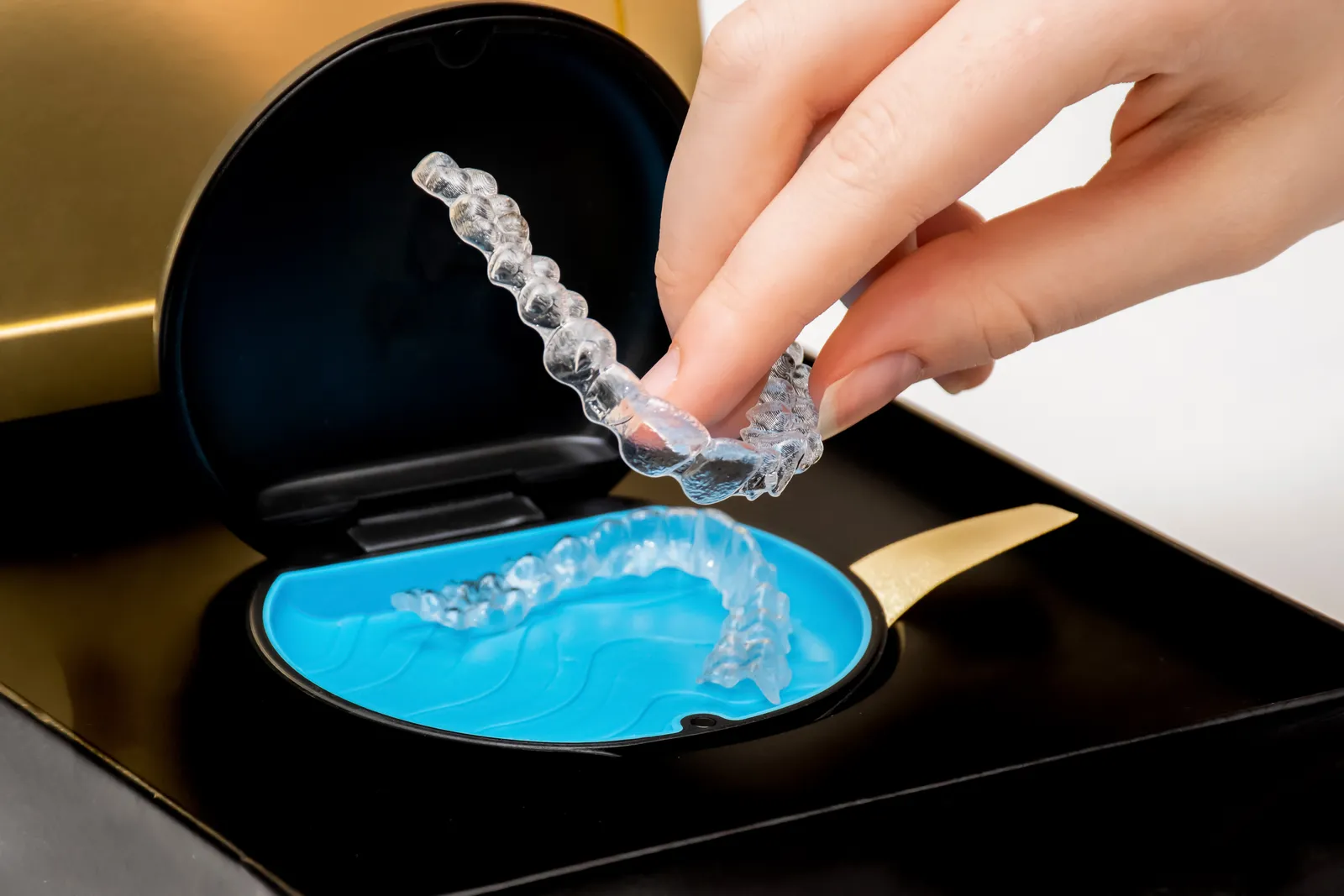
Always store aligners in their case when they are out of your mouth, since loose aligners wrapped in a napkin are easy to lose or accidentally throw away.

Track Your Wear Time

Set a daily reminder or use a tracking app to stay honest about your 20 to 22 hours of wear, especially during busy weeks.

Attend Every Check-In

Keep scheduled progress appointments so we can confirm your teeth are tracking correctly and catch any adjustment needs early.

These habits support the treatment plan we design for you, but they are not a substitute for professional monitoring. Regular visits remain the best way to keep your progress on track.

"We want every patient to feel confident about their smile and about the plan behind it. Invisalign gives us a way to straighten teeth carefully, with full visibility into each step, so there are never any surprises along the way."
Clinical Team•Stonebridge Family Dental
FAQs

Frequently Asked Questions

Answers to the questions we hear most often from patients considering Invisalign treatment.

How long does Invisalign treatment typically take?
Most Invisalign treatment plans range from 12 to 18 months, though mild cases can finish in as little as 6 months and more complex cases may take longer. Your exact timeline depends on how much movement your teeth need and how consistently you wear your aligners. We give you a projected timeline during your initial consultation based on your specific scans.
Does Invisalign hurt?
Most patients feel mild pressure or tightness for a day or two after switching to a new aligner, which is a sign the aligner is working. This sensation is typically much milder than the discomfort associated with traditional braces, and it usually fades quickly as your teeth adjust to each new position.
Can I eat and drink normally with Invisalign?
Yes. Because the aligners are removable, you simply take them out before eating or drinking anything other than water, then brush before putting them back in. This is one of the biggest advantages over fixed braces, which restrict certain foods for the entire treatment period.
How often do I need to switch to a new aligner?
Most patients switch to the next aligner in their series every one to two weeks, depending on how your teeth respond to treatment. We review this pacing at your check-in appointments and adjust it if necessary to keep your treatment moving safely and on schedule.
Is Invisalign suitable for teenagers as well as adults?
Yes, Invisalign offers a teen-specific option with compliance indicators that fade with wear, helping parents and our team confirm the aligners are being worn as prescribed. We evaluate each teen's dental development individually to determine the ideal timing for starting treatment.
What happens after my Invisalign treatment is complete?
Once your teeth reach their final position, we fit you with a custom retainer to help maintain your new alignment. Teeth naturally want to shift back over time, so consistent retainer wear, especially during the first year after treatment, is essential to protecting your results long term.
How do I know if my teeth are too misaligned for Invisalign?
Invisalign technology has advanced significantly and can now treat a wide range of cases, from mild crowding to more moderate bite issues. The only reliable way to know is through a clinical evaluation and digital scan, which we use to determine whether aligners or an alternative treatment would serve you better.
How much does Invisalign cost compared to traditional braces?
Invisalign pricing is generally comparable to traditional braces and depends on the complexity and length of your treatment plan. We provide a clear cost estimate after your consultation and work with most dental insurance plans, plus offer financing options to help make treatment manageable.

BOOK YOUR VISIT

Start your family dentistry journey in TN 37072

Join the TN 37072 families who trust Stonebridge Family Dental. New patients and emergencies are always welcome.