

Stonebridge Family Dental
Location 309 Northcreek Blvd. Goodlettsville, TN 37072
618-889-7825

Cosmetic Dentistry

Dental Veneers Services

Reshape, brighten, and perfect your smile with porcelain veneers crafted to look and feel completely natural.

Dental Veneers Services
Cosmetic Dentistry

Dental Veneers: A Refined Path to a Confident Smile

A chip from years ago, a stain that whitening never quite fixed, or teeth that have always looked a little uneven - these small imperfections can shape how often you smile without reservation. Veneers are thin shells of porcelain or composite bonded to the front surface of your teeth, built to correct these exact concerns while preserving as much of your natural tooth structure as possible.

Many patients come to us feeling self-conscious about photos, hesitant to laugh openly, or frustrated after years of trying whitening treatments and orthodontic retainers that never fully delivered the result they wanted. Veneers address the cosmetic layer of the smile directly, correcting shade, shape, length, and minor spacing issues in a way that looks like the tooth was always meant to look that way.

Our approach at Stonebridge Family Dental starts with an honest conversation about what bothers you, followed by a clinical evaluation of your bite, gum health, and enamel condition. We only recommend veneers when they are genuinely the right fit - and we design every shell around your facial proportions and natural tooth color so the final result blends in rather than standing out.

Schedule a Consultation

Signs Veneers Might Be Right for You

Not every cosmetic concern needs the same solution, and veneers aren't a universal fix. During your exam we look closely at the specific issue you're dealing with to confirm veneers are the right match rather than a more conservative option like bonding or whitening.

  • Persistent Staining: Discoloration from coffee, tobacco, or certain medications that whitening treatments haven't fully resolved.
  • Chipped or Worn Edges: Front teeth with small fractures or flattened edges from years of normal wear or an old injury.
  • Gaps Between Teeth: Small spaces you'd like closed without committing to full orthodontic treatment.
  • Uneven Tooth Length: Front teeth that appear shorter, longer, or irregular in shape compared to one another.
  • Minor Misalignment: Slight rotation or crowding that doesn't require braces but still bothers you visually.
  • Old Bonding or Fillings: Visible composite repairs on front teeth that have yellowed or no longer match your smile.
  • Naturally Thin Enamel: Teeth that appear translucent or grayish at the edges due to thin enamel.
  • Self-Consciousness When Smiling: You find yourself covering your mouth in photos or holding back a full smile in conversation.

A thorough exam before any cosmetic work matters because veneers are a permanent change to the front surface of your teeth. We want to be certain the underlying tooth and gum tissue are healthy first, and that any bite issues are addressed so your new veneers wear evenly for years to come.

What Leads to Needing Veneers

Most patients arrive with more than one contributing factor behind their smile concerns. Understanding what caused the issue helps us plan a result that actually lasts instead of simply masking the problem temporarily.

Daily Staining Habits

Coffee, tea, red wine, and tobacco gradually penetrate enamel at a level professional whitening can't always reach, leaving a yellow or gray cast behind.

Teeth Grinding and Clenching

Nighttime grinding slowly flattens and chips front edges, shortening teeth over time and creating an uneven smile line.

Trauma or Chipping

A fall, sports injury, or biting into something hard can fracture the edge of a front tooth, leaving a visible notch that won't repair itself.

Genetics and Enamel Quality

Some people are simply born with thinner or more porous enamel, which stains more easily and chips more readily than average.

Acid Erosion

Frequent soda, citrus, or acidic food consumption softens enamel surfaces, leading to a dull, worn appearance along the front teeth.

Orthodontic Relapse

Teeth that have shifted slightly back out of alignment after braces or a retainer can create minor gaps or crowding again.

From First Exam to Your Finished Smile

Every smile is different, so we take the time to plan your veneers around your facial features, bite, and personal preferences rather than applying a one-size-fits-all template.

1

Initial Consultation & Discussion

We talk through what you'd like to change about your smile, review photos of results you like, and discuss realistic expectations for shape, shade, and timeline.

2

Comprehensive Clinical Evaluation

We examine your enamel thickness, gum health, and bite alignment with digital imaging to confirm veneers are appropriate and identify any underlying issues to address first.

3

Customized Treatment Plan & Preparation

We design your smile's new shape and shade, gently prepare a thin layer of enamel, and take precise impressions used to craft your custom veneers in a dental lab.

4

Gentle Fitting & Bonding

You'll wear temporary veneers while your custom shells are completed, then we bond the final porcelain veneers in place and fine-tune the fit for comfort and bite balance.

5

Ongoing Support & Follow-Up

We check in a few weeks after placement to confirm your bite feels natural and review simple care habits that keep your veneers looking their best for years.

What a New Smile Looks Like

Veneers do more than cover a flaw. Done well, they restore proportion and brightness to your whole smile while holding up to everyday life.

A Natural, Cohesive Appearance

Porcelain mimics the light-reflecting properties of natural enamel, so your veneers blend with the rest of your teeth instead of looking artificially white or flat.

Resistance to Future Staining

Porcelain is far less porous than natural enamel, meaning your morning coffee or glass of wine won't discolor your veneers the way it affects untreated teeth.

Long-Term Durability

With good care, well-made veneers commonly last ten to fifteen years or more, holding their shape and color far longer than bonding alone.

Renewed Confidence

Patients consistently tell us they smile more freely in photos and conversations once the specific flaw that bothered them is finally gone.

Why Porcelain Holds Up Better Than At-Home Fixes

At-home whitening kits and over-the-counter strips can brighten the overall shade of your teeth, but they can't reshape a chipped edge, close a gap, or correct the length of an individual tooth. Veneers address the physical structure of the tooth itself, which is why they solve problems whitening simply cannot touch.

Porcelain is also engineered to be harder and more wear-resistant than natural enamel in certain respects, while still flexing slightly under bite pressure so it doesn't crack the way a rigid material might. This matters most for patients who clench or grind, where we often pair veneers with a custom night guard to protect the investment.

Because veneers are bonded directly to a thin layer of prepared enamel, the fit is precise down to the fraction of a millimeter. That precision is what allows a well-made veneer to feel invisible in your mouth, with no rough edges catching your tongue and no noticeable seam where the porcelain meets your natural tooth.

Caring for Your Veneers Between Visits

Veneers are low-maintenance, but a few simple daily habits go a long way toward protecting their appearance and longevity.

Brush with a Soft Bristle

A soft-bristled brush and non-abrasive toothpaste keep the porcelain surface smooth without scratching it over time.

Wear a Night Guard if You Grind

If you clench or grind at night, a custom guard protects the edges of your veneers from chipping under repeated pressure.

Avoid Using Teeth as Tools

Opening packages, tearing tags, or biting hard objects puts unnecessary stress on veneer edges and can cause fractures.

Floss Daily

Keeping the gum line clean around each veneer prevents irritation and keeps the margin where porcelain meets tooth looking seamless.

Limit Heavily Pigmented Drinks

While porcelain resists staining better than enamel, rinsing with water after coffee, tea, or wine helps keep your whole smile consistent.

Keep Routine Checkups

Regular visits let us check the bond and bite of your veneers early, catching small issues before they become bigger repairs.

These habits support your results, but they don't replace regular professional care. Routine visits remain the best way to catch small issues before they affect your veneers.

"We never rush a cosmetic case. Every veneer we place is planned around the patient's own face, bite, and goals - the aim is always a smile that looks like it was simply always theirs."
Clinical Team•Stonebridge Family Dental
FAQs

Frequently Asked Questions

Answers to the questions we hear most often about dental veneers at Stonebridge Family Dental.

How long do dental veneers typically last?
Porcelain veneers typically last between ten and fifteen years with proper care, and some patients see them hold up even longer. Longevity depends on factors like grinding habits, oral hygiene, and whether you wear a night guard. Regular checkups allow us to catch wear early and recommend a replacement before any issues arise.
Is getting veneers a painful or invasive procedure?
The preparation process involves numbing the area and removing a thin layer of enamel, typically less than a millimeter, so most patients feel little to no discomfort. Any mild sensitivity afterward usually resolves within a few days. We walk you through each step beforehand so there are no surprises.
Can veneers fix crooked or gapped teeth?
Veneers can correct minor gaps, slight rotation, and small variations in tooth shape by adjusting the visible contour of each tooth. They are not a substitute for orthodontic treatment, however, and significant misalignment or bite problems should be corrected with braces or clear aligners first. We'll be upfront if your case needs orthodontics before cosmetic work.
What's the difference between porcelain and composite veneers?
Porcelain veneers are custom-fabricated in a dental lab, offer superior stain resistance, and typically last longer, though they require two visits to complete. Composite veneers are sculpted directly onto the tooth in a single appointment, cost less, but tend to stain more easily and need replacement sooner. We'll recommend the option that fits your goals, timeline, and budget.
Will my veneers look fake or overly white?
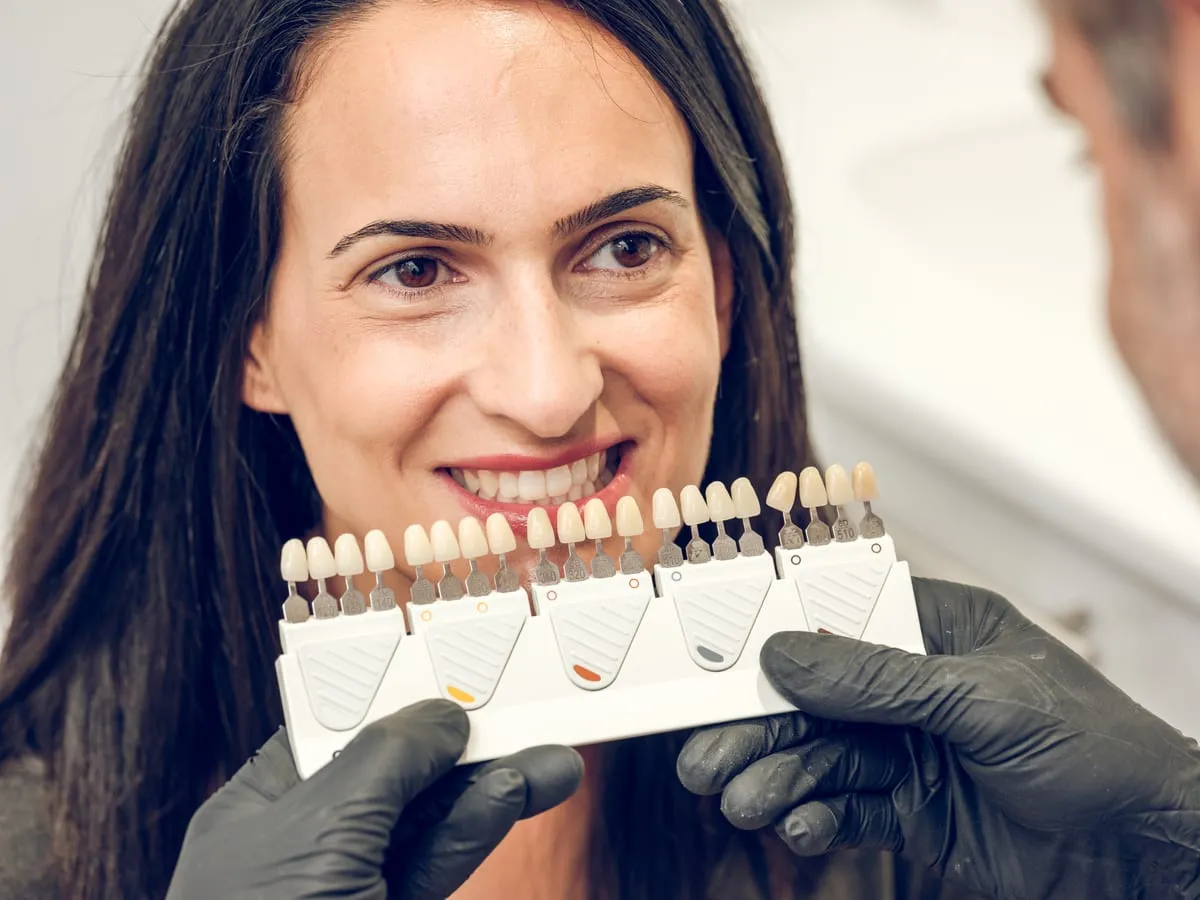
We choose the final shade and translucency together with you before fabrication begins, aiming for a result that complements your complexion and remaining natural teeth. Porcelain reflects light similarly to real enamel, which avoids the flat, chalky look of lower-quality materials. Most people who meet patients after their veneers are placed assume they're simply naturally straight, bright teeth.
How many teeth do I need veneers on?
Some patients only need a single veneer to fix one chipped tooth, while others choose six to eight veneers across their smile line for a fuller transformation. We evaluate your smile as a whole during your consultation and recommend the minimum number of teeth needed to achieve a balanced, natural-looking result.
Can veneers be removed or replaced later?
Because a thin layer of enamel is removed during preparation, veneers are considered a permanent cosmetic treatment and the tooth will always need some form of covering going forward. When a veneer eventually wears out or you want an updated look, we can replace it with a new one that fits the original prepared tooth. This is a normal part of long-term veneer maintenance.

BOOK YOUR VISIT

Start your family dentistry journey in TN 37072

Join the TN 37072 families who trust Stonebridge Family Dental. New patients and emergencies are always welcome.